Hiring a Miami Auto Transport Company: What to Know Before Shipping Your Vehicle
Shipping a vehicle can be a practical alternative to driving it across the country, adding mileage, or coordinating a complicated relocation. However, choosing the right Miami auto transport company requires more than comparing the lowest quote. You should understand how the process works, verify the company’s credentials, review insurance coverage, compare shipping methods, and prepare your vehicle before pickup.
Miami is a major transportation hub with busy roads, high vehicle demand, seasonal traffic, and customers shipping cars to destinations throughout Florida and across the United States. Whether you are moving from Miami, buying a vehicle remotely, sending a car to a student, relocating for work, or transporting a classic automobile, proper planning can help make the process easier and more predictable.
This guide explains what to look for when hiring a Miami auto transport company and what questions to ask before signing a contract.
Why Use an Auto Transport Company?
Driving your vehicle to another city or state may seem straightforward, but a long-distance trip can involve fuel, hotels, meals, tolls, lost work time, weather risks, and additional wear on the vehicle. Auto transport allows you to arrange professional transportation while you travel separately.
Professional vehicle shipping may be helpful when:
- You are relocating from Miami to another state.
- You have purchased a car from a distant seller or dealership.
- You are sending a vehicle to a family member or college student.
- You own a classic, luxury, exotic, or collectible automobile.
- Your vehicle is inoperable and cannot be driven safely.
- You need to transport multiple vehicles.
- You want to avoid putting unnecessary mileage on a newer vehicle.
- You are traveling by air and need your car delivered separately.
A qualified auto transporter can coordinate pickup, secure the vehicle, transport it on an appropriate trailer, and deliver it to an agreed location. Your responsibility is to choose a reputable provider and understand the terms of service before handing over the keys.
Understand Brokers and Carriers
One of the most important things to understand before hiring a Miami auto transport company is the difference between a broker and a carrier. A carrier owns or operates the truck that physically transports your vehicle. A broker arranges transportation between the customer and a carrier.
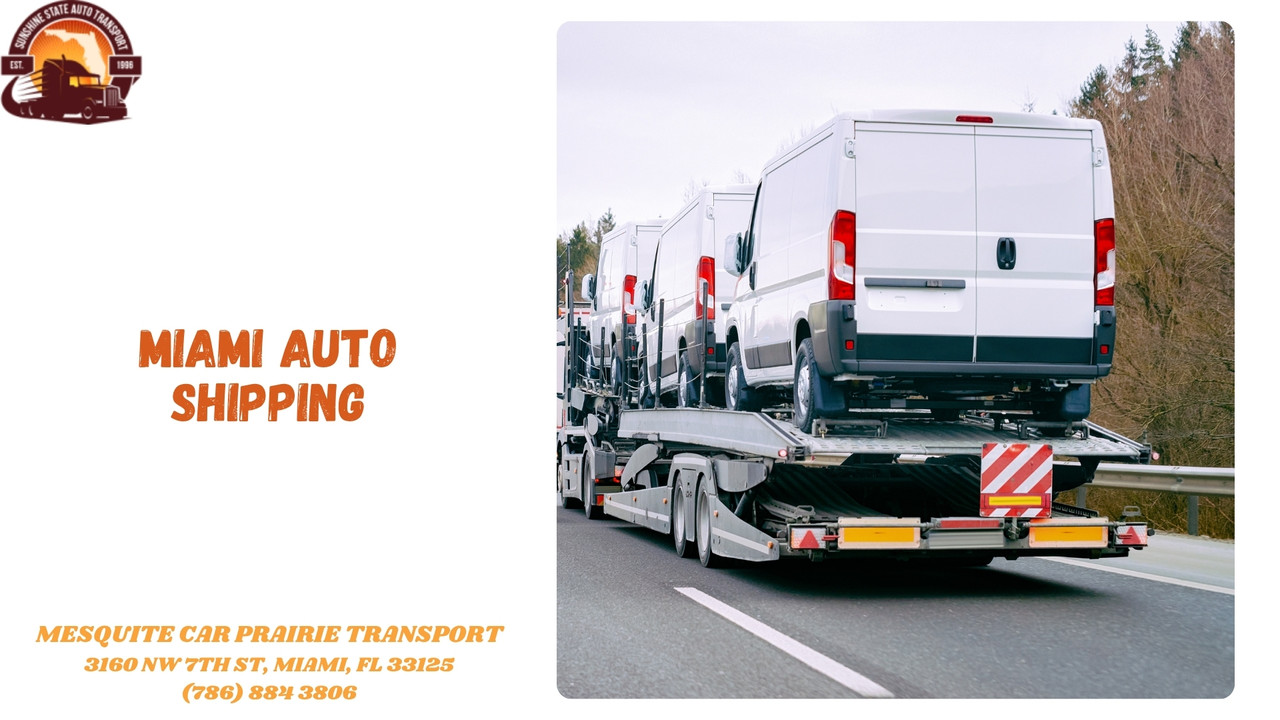
Brokers can help customers compare available carriers and arrange routes, but the company providing your quote may not be the company that arrives at your address. Ask whether you are hiring a direct carrier, a broker, or a company that offers both services.
The Federal Motor Carrier Safety Administration explains that a broker arranges transportation but does not provide the actual truck transportation. The carrier is the company responsible for transporting the vehicle. [27]
Questions to Ask About the Provider
- Are you a licensed auto carrier, a broker, or both?
- Who will physically pick up and transport my vehicle?
- Will you provide the carrier’s legal name and registration details?
- How do you screen and select the carrier?
- Who should I contact if the pickup or delivery is delayed?
- Who handles damage claims after delivery?
- Can the final carrier charge more than the original estimate?
A trustworthy broker or carrier should answer these questions directly. Be cautious if a company avoids identifying the actual carrier or makes promises that are not included in writing.
Verify Licensing and Registration
Before hiring a Miami auto transport company for an interstate shipment, verify that the business has the required federal registration and operating authority. The FMCSA provides tools consumers can use to search for motor carriers, brokers, and freight forwarders.
Ask the company for its USDOT number and MC number, then verify the information through the official FMCSA website. The company name, address, business classification, and registration status should match the information provided in your quote and contract.
FMCSA advises consumers to use its official search resources to look up motor carriers and brokers. Consumers can also check whether a company has the required operating authority and insurance information. [28]
What to Compare During Verification
- Legal business name and any trade name.
- USDOT number and MC number.
- Active operating authority.
- Carrier or broker classification.
- Company address and telephone number.
- Insurance and financial responsibility information.
- Safety information and complaint history, when available.
Do not assume that a number displayed on a company website is valid simply because it looks official. Enter it into the government database and confirm that the information belongs to the business you are considering.
Review Insurance Coverage
Insurance is a central part of the vehicle shipping process. Before booking transportation, ask for details about the carrier’s cargo insurance, liability coverage, deductibles, exclusions, and claims process.
A legitimate auto transport company should be able to explain what coverage applies while your vehicle is being loaded, transported, stored, and unloaded. Ask whether coverage applies to cosmetic damage, mechanical damage, theft, weather-related incidents, vandalism, and damage caused by another vehicle.
The FMCSA recommends checking that the broker or transporter is properly insured and understanding the limitations of the policy. You should also contact your personal auto insurer to ask whether your policy provides any protection during vehicle transport. [fmcsa.dot](https://www.fmcsa.dot.gov/protect-your-move/regulations-and-enforcement)
Request Proof of Insurance
Ask for a current certificate of insurance when appropriate. The document should identify the insured business and show coverage relevant to vehicle transportation. If you are shipping a high-value vehicle, ask whether the standard cargo policy is sufficient for the vehicle’s market value.
Some policies include exclusions for personal belongings left inside the vehicle, pre-existing damage, loose accessories, mechanical problems, or certain types of specialty vehicles. Read the coverage information carefully instead of assuming every loss is covered.
High-Value and Specialty Vehicles
Owners of luxury cars, collector vehicles, antiques, exotic vehicles, motorcycles, and modified automobiles may need additional protection or specialized transport. Ask whether the company has experience handling your specific type of vehicle.
Enclosed transport may offer greater protection from road debris, weather, and public visibility. However, it may cost more and may have limited availability compared with open transport.
Compare Open and Enclosed Transport
The two most common auto shipping methods are open transport and enclosed transport. Each option has advantages, so the best choice depends on your vehicle, budget, route, and desired level of protection.
Open Auto Transport
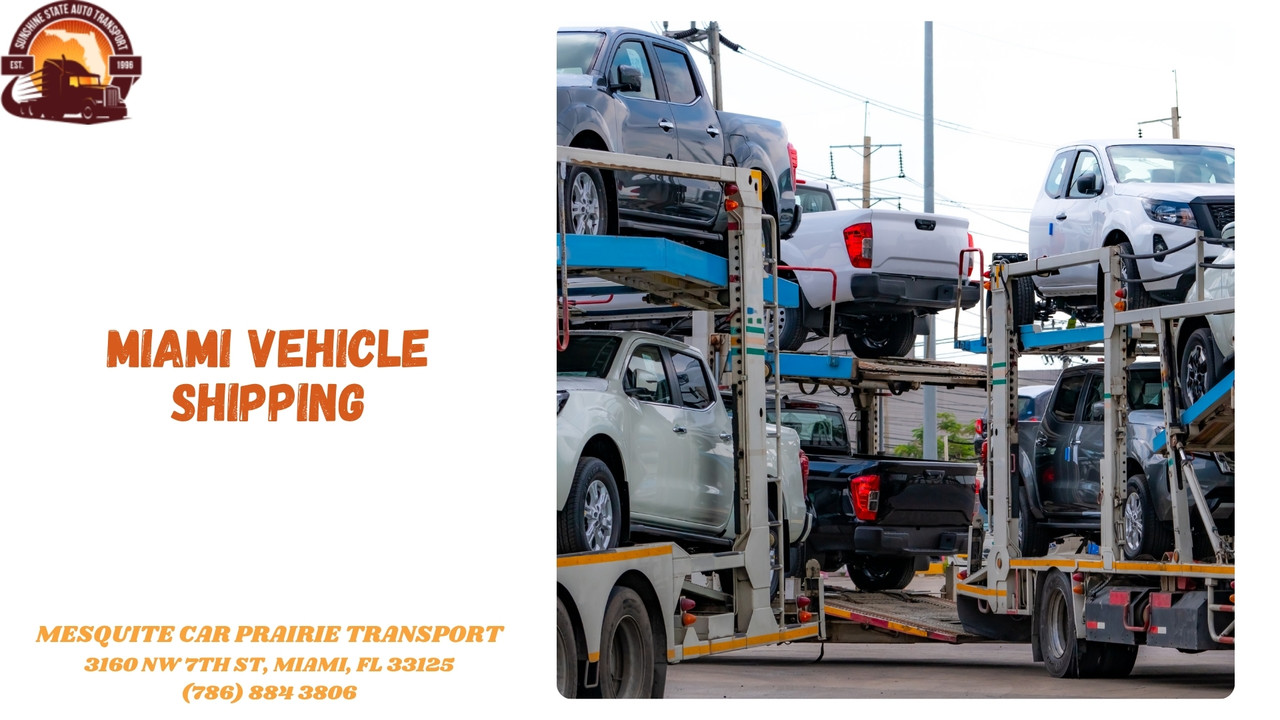
Open transport uses a trailer with exposed vehicle decks. It is widely used for everyday cars, trucks, SUVs, and dealership vehicles. Because open carriers can transport several vehicles at once, this option is often more widely available.
Open transport is usually a practical choice for standard vehicles that are driven regularly. Your vehicle may encounter ordinary road dust, rain, and debris during transportation, so ask the carrier how it protects vehicles and documents their condition.
Enclosed Auto Transport
Enclosed transport places vehicles inside a covered trailer. This can provide additional protection from weather, road debris, and public exposure. Enclosed shipping may be especially appropriate for classic cars, luxury vehicles, restored automobiles, and high-value models.
Enclosed service usually costs more than open transport and may have fewer available pickup dates. Ask whether the trailer can accommodate the vehicle’s height, width, weight, and modifications.
Door-to-Door Transport
Door-to-door service means the carrier attempts to pick up and deliver the vehicle as close as legally and safely possible to the requested addresses. It does not always mean the truck can enter a private driveway or reach a particular front door.
Miami streets may include narrow roads, gated communities, apartment entrances, construction areas, heavy traffic, and restricted parking. If a large carrier cannot access your exact address, the company may arrange pickup or delivery at a nearby commercial Miami auto transport location.
Terminal-to-Terminal Transport
Terminal-to-terminal service involves leaving and collecting the vehicle at designated facilities. This may provide more flexibility in some situations, but you should confirm terminal locations, operating hours, storage charges, security procedures, and pickup deadlines.
Get a Clear Auto Transport Quote
Auto transport pricing depends on several factors, and the lowest advertised price may not be the final amount. Request quotes from multiple providers and compare what each quote includes.
The price may be affected by:
- Pickup and delivery locations.
- Total shipping distance.
- Vehicle type, size, weight, and condition.
- Open or enclosed transportation.
- Seasonal demand and route availability.
- Requested pickup flexibility.
- Expedited or guaranteed service.
- Door-to-door or terminal service.
- Fuel costs and route conditions.
- Special equipment for inoperable vehicles.
- Storage or re-delivery requirements.
Ask Whether the Quote Is Binding
Ask whether your quote is binding, non-binding, or subject to change. A quote may change if the vehicle dimensions are different from the information submitted, the pickup address is inaccessible, the vehicle is inoperable, or additional services are required.
Request an itemized explanation of potential fees before paying a deposit. The written agreement should identify the total price, deposit amount, balance due, payment method, cancellation terms, and circumstances that could result in an adjustment.
Be Careful With Extremely Low Quotes
An unusually low price may be used to attract a customer before the company raises the amount later. If a quote is much lower than other estimates, ask how the company calculated it and whether the price is realistic for the route and vehicle.
A dependable company should explain its pricing instead of pressuring you to make an immediate payment. Never rely on verbal promises when the amount, service level, or delivery timeline matters to your plans.
Understand Pickup and Delivery Windows
Auto transport usually involves pickup and delivery windows rather than exact appointment times. Traffic, weather, driver hours, loading delays, vehicle availability, and route changes can affect the schedule.
Before booking, ask:
- What is the earliest and latest possible pickup date?
- How long will transportation typically take?
- Is the delivery date guaranteed or estimated?
- What happens if the carrier is delayed?
- Will someone provide status updates?
- Can the company arrange storage if delivery cannot occur?
- What fees apply if no one is available at pickup or delivery?
If you have a strict deadline, such as a job start date, military relocation, vehicle sale, or scheduled event, tell the company before accepting a quote. Ask whether expedited or guaranteed service is available and have all timing commitments written into the agreement.
Prepare Your Vehicle for Shipping
Proper preparation can reduce delays and make it easier to document the vehicle’s condition. Follow the carrier’s instructions, because requirements may vary by company and vehicle type.
Clean the Vehicle
Wash the exterior and clean enough of the interior to make inspection possible. Dirt can hide scratches, dents, paint damage, and other existing conditions. A clean vehicle makes it easier to compare the car at pickup and delivery.
Remove Personal Belongings
Remove luggage, electronics, documents, valuables, emergency supplies, and loose objects from the passenger compartment and trunk. Personal items may not be covered by the carrier’s cargo insurance and can shift during transport.
Ask the carrier whether a limited amount of property is permitted. If any items are allowed, confirm the weight limit and insurance terms in writing. Do not leave irreplaceable belongings inside the vehicle.
Inspect Fluids, Tires, and Battery
Check for fluid leaks and tell the carrier about any mechanical problems. Make sure the tires are properly inflated and the battery is securely installed. If the car is inoperable, notify the company in advance so it can bring the right loading equipment.
A vehicle commonly needs enough fuel for loading and unloading but should not be filled unnecessarily. Follow the carrier’s specific fuel instructions.
Disable Alarms and Secure Accessories
Disable the vehicle alarm or provide instructions for turning it off. Remove or secure antennas, roof accessories, spoilers, loose trim, removable bike racks, and other parts that could be damaged during loading or transportation.
Document Existing Damage
Take clear photos and videos of the vehicle from multiple angles before pickup. Capture the front, rear, sides, roof, wheels, windows, interior, odometer, and any existing scratches or dents.
Make sure the date is recorded and keep the images until the transaction is complete. The carrier will normally complete a condition report or bill of lading at pickup. Review it carefully and make sure existing damage is described accurately before signing.
Review the Bill of Lading
The bill of lading is an important transportation document. It may serve as a receipt, identify the vehicle’s condition, list the shipping terms, and document pickup and delivery.
FMCSA describes a bill of lading as the receipt for goods and the contract for transportation. Consumers should understand the document before signing and keep a copy for their records. [27]
Review the bill of lading for:
- Vehicle identification number and license plate information.
- Make, model, year, color, and condition.
- Pickup and delivery locations.
- Odometer reading, when recorded.
- Existing scratches, dents, chips, and other damage.
- Names and contact details of the carrier or broker.
- Shipping price and payment terms.
- Pickup and delivery dates or estimated windows.
- Special instructions and accessorial services.
- Signatures from the customer and carrier representative.
Never sign a blank or incomplete condition report. If you disagree with an entry, ask the driver to correct it before signing. Keep a copy or photograph of the completed document.
Inspect Your Vehicle at Delivery
Inspect the vehicle before accepting delivery and before signing the final condition report. Perform the inspection during daylight whenever possible. If the car arrives at night, ask whether a safe, well-lit location is available.
Compare the vehicle with your pickup photos and the original condition report. Check:
- Front and rear bumpers.
- Doors, fenders, hood, roof, and trunk.
- Windshield, windows, mirrors, and lights.
- Wheels, tires, and wheel covers.
- Paint, trim, spoilers, antennas, and accessories.
- Interior surfaces and visible controls.
- Odometer reading and fuel level.
- Signs of mechanical or fluid-related problems.
If you identify new damage, photograph it immediately and write a detailed description on the delivery paperwork before signing. Notify the carrier and follow the company’s formal claims process as soon as possible.
Do not rely only on a verbal promise from the driver. Written documentation, photographs, the bill of lading, the contract, and payment records may be important if you need to pursue a claim.
Watch for Auto Transport Red Flags
Research is especially important because vehicle shipping scams and poor service often involve vague quotes, hidden charges, or unverified companies. Consider choosing another provider if you notice several warning signs.
- The company refuses to provide USDOT or MC information.
- The registration information does not match the company name.
- The provider will not identify whether it is a broker or carrier.
- The quote is dramatically lower than comparable estimates.
- The company demands payment through an unusual or untraceable method.
- The contract contains blank sections or unclear charges.
- The company refuses to explain insurance exclusions.
- The representative pressures you to book immediately.
- The carrier arrives with different information than the contract shows.
- The company promises an exact delivery time without discussing possible delays.
- The provider asks you to sign incomplete pickup or delivery paperwork.
FMCSA maintains a consumer complaint database for certain complaints involving motor carriers, brokers, and auto transporters, including allegations related to deceptive practices, lack of authority, and required insurance. [29]
Questions to Ask Before Booking
Use this checklist when speaking with a Miami auto transport company:
- Are you a broker, carrier, or both?
- What are your USDOT and MC numbers?
- Can I verify your registration through FMCSA?
- Who will transport my vehicle?
- What type of trailer will be used?
- Is open or enclosed transport better for my vehicle?
- Is the quote binding or subject to change?
- What fees are not included in the estimate?
- How much is the deposit and when is the balance due?
- What is your cancellation policy?
- What insurance coverage applies during transportation?
- Are personal items permitted inside the vehicle?
- What should I do if my vehicle is inoperable?
- What are the pickup and delivery windows?
- How will I receive updates?
- What documents will I receive at pickup and delivery?
- How do I report damage or file a claim?
How to Choose the Right Miami Auto Transport Company
The right Miami auto transport company should provide transparent pricing, verifiable credentials, suitable insurance, clear communication, and a shipping method appropriate for your vehicle. A professional provider should explain the difference between brokerage and carrier services, identify who will transport your car, and give you a written agreement before pickup.
Compare multiple companies rather than choosing the first quote you receive. Review the total price, service type, insurance coverage, pickup window, delivery expectations, cancellation policy, and customer support process.
Your vehicle is a valuable asset, so preparation matters. Remove personal belongings, photograph the vehicle, review the condition report, keep copies of your documents, and inspect the car carefully at delivery. These simple steps can help reduce confusion and support a smoother shipping experience.
Miami Auto Transport Checklist
- Decide whether you need open, enclosed, door-to-door, or terminal transport.
- Identify whether the provider is a broker, carrier, or both.
- Verify USDOT and MC information through FMCSA.
- Review insurance coverage, limits, and exclusions.
- Request multiple itemized quotes.
- Confirm pickup and delivery windows.
- Read the contract and cancellation terms.
- Remove personal belongings from the vehicle.
- Clean and photograph the vehicle before pickup.
- Document existing damage on the bill of lading.
- Keep copies of the quote, contract, condition report, and payment receipt.
- Inspect the vehicle carefully before accepting delivery.
- Report any new damage according to the carrier’s claims procedure.
Final Thoughts
Hiring a Miami auto transport company can simplify a long-distance relocation, vehicle purchase, seasonal move, or specialty transportation project. The process becomes easier when you know who is responsible for the shipment, what protection is included, how the price is calculated, and what documentation you should receive.
Take time to verify credentials, compare service options, review insurance details, prepare your vehicle properly, and inspect it at delivery. A careful approach can help you avoid hidden fees, prevent misunderstandings, and choose a transportation provider that treats your vehicle with the attention it deserves.
Note: Transportation rules, insurance requirements, and company policies may change. Verify current information with the auto transport provider and the Federal Motor Carrier Safety Administration before booking.
Contact Us:
Mesquite Car Prairie Transport
3160 NW 7th St, Miami, FL 33125
(786) 884 3806